
Garage epoxy floors
Compare garage sizes, finish options, preparation allowances and vehicle return timing.
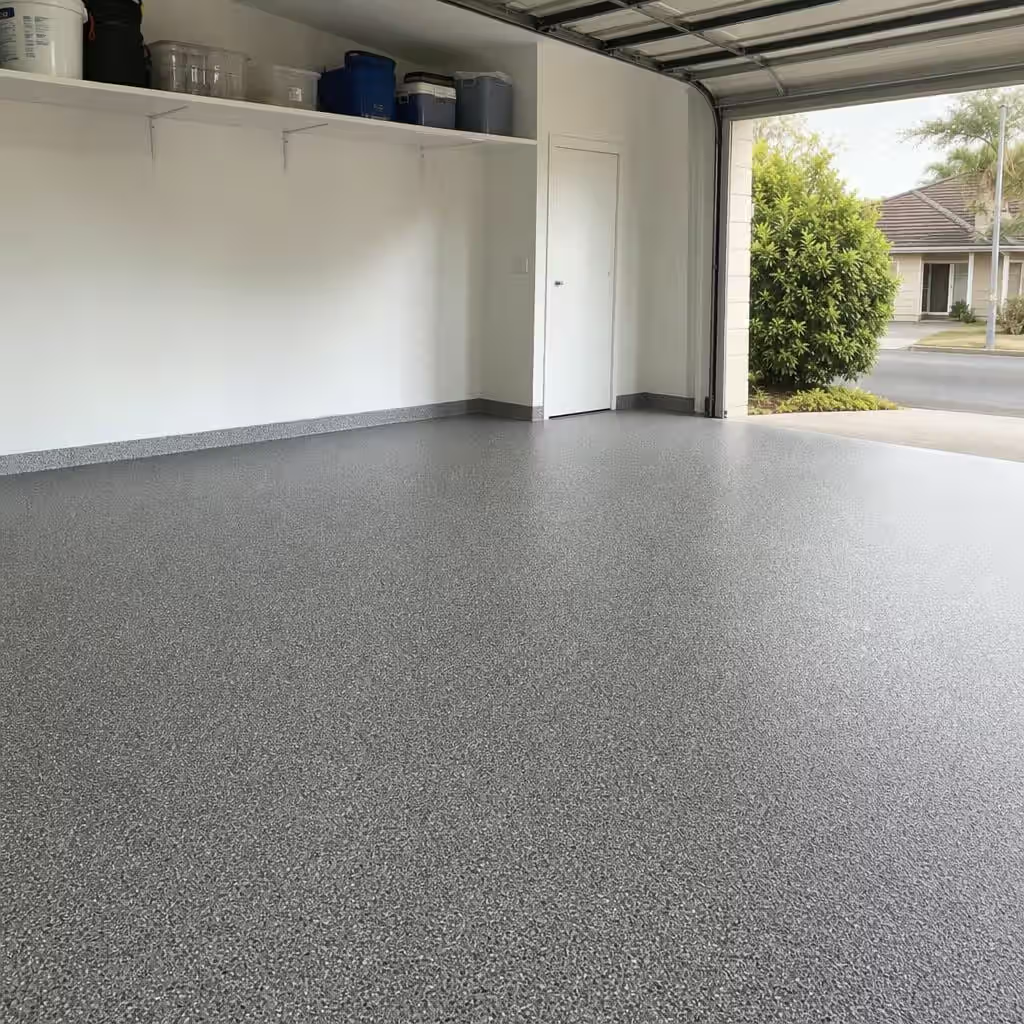
Garage, commercial, warehouse, flake, quartz, solid colour, and metallic epoxy systems installed with diamond grinding preparation and written scope.
Compare garage sizes, finish options, preparation allowances and vehicle return timing.
Plan forklift traffic, floor condition, line marking and staged access.
Match the coating, cleaning needs and available shutdown window to the business.
Compare the two finishes before choosing preparation and a floor system.
Epoxy flooring in Sydney commonly ranges from $25 to $160 per square metre depending on slab condition, preparation depth, selected system, access, and project size. As a guide, solid colour epoxy is usually $25–$60/sqm, flake epoxy $50–$90/sqm, quartz broadcast $65–$110/sqm, and metallic epoxy $100–$160/sqm. These are ex-GST planning ranges over a sound slab, not fixed offers. Existing coating removal, additional repairs, moisture mitigation, restricted access and staging are quoted separately. A double garage of about 40–60sqm commonly ranges from $1,000 to $9,600 depending on finish; use the measured area and written scope to compare quotes.
| System | Typical Sydney range |
|---|---|
| Solid colour epoxy | $25–$60/sqm |
| Flake epoxy | $50–$90/sqm |
| Quartz broadcast epoxy | $65–$110/sqm |
| Metallic epoxy | $100–$160/sqm |
| Warehouse epoxy | $45–$120/sqm commonly, scope dependent |
Most residential garage epoxy projects take about 2 to 3 working days once the area is ready: preparation and repairs first, then primer, body or broadcast coats, and final topcoat. Larger commercial or warehouse projects can take around 3 to 7 days or longer if the floor is staged around operations, requires coating removal, or needs extra repairs. Cure time is separate from install time: light foot traffic is usually around 24 hours, full vehicle or forklift use is commonly around 72 hours after the final topcoat, and chemical resistance continues developing over about 7 days.
Request a project timeframeYes, epoxy is a strong option for Sydney garages when the concrete is mechanically prepared and the system is matched to vehicle traffic. A proper garage system can reduce concrete dusting, improve cleanability, resist many oil and tyre marks, and create a more finished space. It is not a shortcut coating: moisture, oil contamination, cracks, old sealers, and cure timing must be handled correctly to reduce peeling, hot-tyre pickup, and early wear.
Garage epoxy detailsYes, epoxy can suit warehouses that need dust control, cleanability, chemical resistance, line marking, and a sealed surface for forklift or trolley traffic. The specification should be based on slab condition, forklift turning zones, spill exposure, slip texture, cleaning method, and downtime windows. High-wear aisles, docks, ramps, or staged work areas may need heavier build, quartz or anti-slip aggregate, repairs, or line marking allowances rather than a basic thin coating.
Warehouse epoxy flooringThere is no single best epoxy finish. Solid colour is usually the most cost-effective for utility and workshop areas, flake is popular for garages because it hides dust and adds texture, quartz is better for heavier commercial or wet-area grip, and metallic is chosen mainly for premium decorative impact. Surface Master recommends the finish after considering traffic, slip risk, cleaning expectations, UV exposure near doors, budget, and the look you want.
In most professional epoxy projects, yes. Diamond grinding removes weak surface laitance, old residue, minor contamination, and sealer films while opening the concrete profile so primer can bond. Acid washing or cleaning alone is not a reliable substitute for most garage, commercial, or warehouse floors. The exact preparation method is confirmed after inspection because heavily contaminated, soft, wet, or previously coated slabs may need extra removal or repair work.
Review diamond grinding preparationEpoxy should not be installed over loose, failed, contaminated, unknown, or incompatible paint or coatings. Those layers normally need mechanical removal back to clean, profiled concrete before the new system is applied. A sound compatible coating may sometimes be abraded and recoated, but this is confirmed by inspection and adhesion risk, not assumed. Coating over weak old paint is one of the fastest ways to cause peeling or delamination.
Existing coating removalSometimes, but only after the existing tiles, grout lines, moisture risk, and bond are assessed. Loose, hollow, cracked, contaminated, or moving tiles usually need removal. A stable tiled floor may be mechanically prepared and levelled before coating, but the written scope must address grout-line telegraphing, thresholds, drainage, and adhesion rather than simply coating over the surface.
Ask for a tiled-floor assessmentA polished concrete floor needs assessment and suitable mechanical preparation before epoxy; a glossy surface is not a ready-to-coat substrate. Existing guards, sealers, densifiers, contamination and moisture conditions can affect the preparation and coating choice. Confirm the required surface profile and compatibility with the selected system. If you want to retain the polished appearance, compare polishing or restoration with coating before committing to grinding it away.
Compare epoxy with polished concreteThe cause and extent of failure need to be assessed before choosing a repair. Loose or poorly bonded coating normally needs removal, and moisture, contamination or movement must be addressed before a replacement system is specified. A compatible, sound coating may be suitable for a prepared recoat; simply covering peeling areas can repeat the failure. Send photos of the affected areas and details of the existing coating if known so removal, repairs and finish matching can be included in the scope.
Review failed coating removal and preparationYes. Workshop epoxy can provide a sealed, easier-to-clean surface with options for oil resistance, anti-slip texture, safety colours, and line marking. The system should be selected around vehicle loads, hot tyres, dropped tools, chemicals, welding or heat exposure, UV at open doors, and the available shutdown window.
Request a workshop floor scopeVehicle return is system-dependent, but many residential garage epoxy systems need around 72 hours after the final topcoat before cars drive or park on the floor. Light foot traffic is commonly possible after about 24 hours, while full chemical resistance develops over about 7 days. Always follow the written handover for your specific products, weather conditions, slab temperature, and topcoat because early vehicle traffic can mark or damage uncured coatings.
Confirm vehicle return timingDo not choose an indoor epoxy system for an exposed driveway, patio or open doorway solely by colour. UV exposure can change the appearance of some epoxy resins, and wet outdoor areas also need suitable drainage and grip. Confirm the complete system, including the topcoat, against its manufacturer's intended exposure and maintenance requirements. For outdoor driveways and paths, compare resin bound surfacing as a separate option rather than assuming a garage coating is suitable.
Compare outdoor resin bound surfacesA dry-looking surface does not establish that a slab is ready for epoxy. Moisture assessment, any existing damp-proofing, contamination and the selected coating's substrate limits need to be considered before installation. If moisture exceeds the system's limits, the quote must address appropriate mitigation or an alternative specification. Diamond grinding prepares the surface but does not resolve moisture coming through the slab.
Request a slab and preparation assessmentNo. A decorative finish name or textured appearance does not establish the slip performance of a completed floor. Specify the required performance for the actual wet or dry use, cleaning method and traffic. Ask for applicable test evidence for the selected system and confirm whether project testing is required. More texture can improve grip but may change cleaning effort, so agree the balance in the written specification.
Plan anti-slip floor coating requirementsSend your suburb, approximate floor area, clear photos of the whole slab and damaged areas, details of old paint or sealers, the intended use and your available shutdown window. Include vehicle or forklift traffic, wet areas, chemical exposure and sunlight at open doors. The written quote should identify preparation and removal, repair allowances, coating layers and topcoat, finish, GST, exclusions, return-to-use timing and warranty terms before you book.
Send your epoxy project detailsEpoxy systems by project
Garage, warehouse, commercial, food-safe, and decorative floors need different preparation, coating builds, finishes, and cure windows. Choose the closest project type to review the right options before requesting a written quote.
Project pathway
Best for: Home garages, workshops, storage spaces, and premium vehicle areas.
Compare flake, solid colour, and metallic finishes, then confirm slab condition and vehicle return timing.
Explore garage epoxyView the Penrith garage case studyProject pathway
Best for: Showrooms, retail, strata, fitouts, back-of-house areas, and customer-facing spaces.
Review traffic, slip resistance, cleaning, staging, documentation, and handover requirements.
Explore commercial systemsProject pathway
Best for: Forklift aisles, pallet zones, workshops, production floors, and staged operational sites.
Match coating build, line marking, repairs, chemical exposure, and downtime to the way the floor is used.
Explore warehouse systemsView the Bankstown warehouse case studyProject pathway
Best for: Commercial kitchens, food production, washdown areas, ramps, and wet working zones.
Confirm coving, cleanability, chemical resistance, slip texture, drainage, and operating constraints.
Explore food-safe epoxyView the Liverpool factory case studyProject pathway
Best for: Garages, laundries, showrooms, retail spaces, studios, and premium feature floors.
Compare colour, texture, durability, cleaning, UV exposure, and topcoat requirements before choosing a finish.
Compare decorative finishesProject pathway
Best for: Early budgeting, comparing system ranges, and understanding the main price drivers before inspection.
Estimate the area and finish, then request a written quote covering preparation, inclusions, exclusions, and timing.
Review epoxy costsLocal epoxy links
Start with selected high-intent Sydney locations that already have richer local context, instead of a long directory of thin suburb links.